
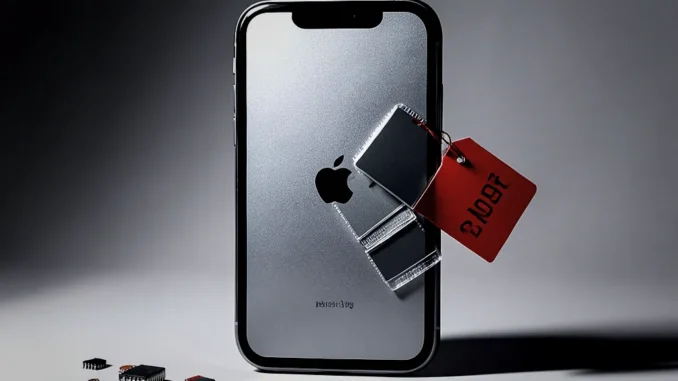
Artificial intelligence data centers are consuming growing quantities of high-bandwidth memory, DRAM and NAND flash storage. As memory makers redirect production toward those customers, the supply available for smartphones and computers can tighten. Apple then faces higher component costs while competing for memory from many of the same suppliers.
The impact may be most visible in premium devices, which use larger memory and storage configurations. However, the size and timing of any price increase will depend on component supply, currency movements, regional taxes and Apple’s pricing decisions.
Why the memory shortage is affecting Apple
AI data centers require substantial quantities of high-performance memory. Manufacturers are prioritizing products such as high-bandwidth memory (HBM), while production resources and investment shift toward data-center demand. Because some manufacturing technologies and capacity overlap, this can leave less supply for mobile DRAM and consumer storage.
Apple competes for memory with data-center customers through the same broader supplier ecosystem. When supply tightens, component makers may raise prices, limit allocations or give priority to customers with large, long-term orders. Apple’s scale can help it secure supply, but it cannot fully insulate the company from rising market prices.
Which components are under pressure?
- DRAM: Demand for HBM and other data-center memory can constrain production capacity available for mobile DRAM, including memory used in smartphones.
- NAND flash: AI services and data centers need high-capacity, fast storage. Investment focused on those customers can reduce the flexibility of supply for consumer devices.
- Packaging and testing: Memory chips must be packaged and tested before device makers can use them. Limited capacity at these stages can delay shipments and add to short-term price pressure.
These constraints do not necessarily mean that every memory type will be scarce at the same time. They do mean that component costs can rise even when a device maker can still obtain the parts it needs.
Which Apple products could become more expensive?
Premium iPhones are among the products most exposed to higher memory costs because they use advanced components and offer configurations with more memory and storage. Under analyst scenarios, future Pro models, including the iPhone 18 Pro and iPhone 18 Pro Max, could face greater cost pressure than entry-level models. Those product names and outcomes remain forecasts, not confirmed pricing announcements.
High-end Macs and iPads could also be affected, particularly configurations with more memory or storage. The final impact will depend on Apple’s component contracts, product margins and whether the company chooses to absorb part of the increase rather than pass it on to buyers.
How large could a price increase be?
Past US price changes cited in market scenarios have ranged from about $200 to $500, but that range does not establish what Apple will charge for future products. A component-cost increase does not translate directly into an equal retail-price increase: Apple can absorb some costs, adjust product configurations or change prices by model and region.
In Turkey, the final price may differ considerably from a US increase because exchange rates, taxes, import costs and local pricing strategy also affect retail prices. A dollar-denominated increase should therefore not be converted into a Turkish price estimate without accounting for those factors.
What John Ternus’s comments signal
Apple hardware chief John Ternus described the increase in memory costs as “unprecedented” and said the company expected costs to keep rising after the December quarter. His remarks indicate that memory inflation is affecting Apple’s cost planning. They do not, on their own, confirm a specific product price increase.
Investors and analysts may interpret sustained cost pressure as a reason Apple could revise prices, protect margins through product changes or accept lower margins. The company’s eventual approach will become clearer when it announces product pricing and reports its costs.
Could memory prices keep rising through 2027?
TrendForce and Counterpoint Research have pointed to continued memory-market pressure extending into late 2026 or early 2027. Counterpoint has also projected that the global average selling price of smartphones could rise by 15% in 2026. That figure describes an industry-wide forecast, not a guaranteed increase in Apple prices or in the price of every smartphone.
New manufacturing capacity could eventually ease the pressure, but building and bringing factories online takes time. Until supply expands or demand moderates, data-center buyers may continue to compete with consumer-device makers for memory and related production capacity.
What buyers in Turkey should consider
Local Apple prices depend on more than global memory costs. Exchange rates, taxes and fees, distribution expenses and Apple’s pricing regional decisions can amplify or soften the effect. A global price increase may not appear immediately in Türkiye, and the local adjustment may not match the US change.
Before buying, compare the device’s current price with recent prices from authorized sellers and check whether a model or storage configuration meets your actual needs. Promotions, carrier offers and refurbished products may provide alternatives, though buyers should compare warranty terms and product condition as well as price.
Practical steps for choosing when to buy
- Identify the configuration you need. Compare memory and storage options before paying extra for a higher tier.
- Check current offers. Compare authorized retailers, carrier promotions and refurbished devices, including their warranty coverage.
- Watch for product launches. New releases can change the prices and availability of older models, but launch periods can also bring temporary fluctuations.
- Track exchange rates and local costs. In Türkiye, currency and tax changes can affect retail prices independently of memory costs.
- Decide whether waiting is worthwhile. Waiting may bring new models or promotions, but it also carries the risk of higher prices or limited stock.
How device makers and suppliers may respond
Memory suppliers can expand capacity, improve production flexibility and use long-term agreements to manage demand. Device makers can negotiate supply contracts, seek alternative suppliers and adjust designs to use memory more efficiently. Apple’s purchasing scale may help it negotiate access, although strong demand across the industry can still raise costs.
What to expect next
Memory costs remain a potential source of price pressure for premium smartphones, Macs and tablets. The most exposed products are likely to be higher-end configurations, but Apple has not confirmed specific increases based on the market forecasts described here. For buyers in Türkiye, the outcome will also depend on currency, taxes and local pricing choices. Checking the exact model, configuration and current offers is more useful than assuming a global forecast will translate directly into a local price change.








Be the first to comment