
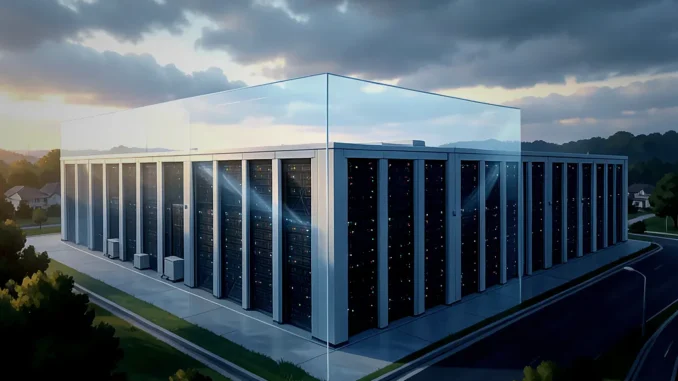
OpenAI says it will treat its data centers as “compute campuses” and take greater responsibility for their costs and local impacts. Its commitments include direct engagement with communities, annual public reporting, and financial guarantees intended to cover infrastructure expenses if a project is delayed or canceled. The measures aim to give local governments clearer information before construction begins and reduce the risk that residents or other utility customers bear unexpected costs.
What does OpenAI’s “compute campus” approach mean?
Under this approach, OpenAI plans to discuss projects directly with affected regions and publish annual reports about each facility. The company also says it will identify funding for electricity and infrastructure costs and include relevant guarantees in agreements with local governments. The practical value of these promises will depend on the details: contracts need to specify which costs are covered, how guarantees are funded, and how communities can verify that the commitments are being met.
How does OpenAI plan to address data center water use?
OpenAI says each data center will have a site-specific water plan that prioritizes closed-loop cooling or other approaches designed to use less water. It also plans to distribute annual water and electricity consumption for each facility. Reporting figures in cubic meters and kilowatt-hours, alongside year-over-year comparisons, would help residents and public officials assess whether resource use is rising or falling.
For example, a project proposal could compare the expected water demand of a conventional cooling system with a closed-loop alternative. Any estimate, such as a projected 80% reduction at a 100-megawatt facility, should be presented as a site-specific forecast rather than a guaranteed result. Actual savings depend on the cooling design, local climate, operating hours, and measurement methods.
What energy and grid measures could reduce local impacts?
Data centers can place substantial demands on local electricity systems, particularly during peak periods. Potential measures include battery storage, renewable energy integration, demand management, and coordination with utilities. A facility could use stored electricity during peak hours or adjust some computing workloads to smooth demand, where operational requirements allow.
Local authorities and utilities can evaluate these plans using practical measures such as peak demand, annual electricity use, renewable energy share, and the frequency and duration of outages. Real-time coordination may help operators respond to grid conditions, but it does not replace clear agreements about who pays for grid upgrades and how those costs are allocated.
What information will be available to the public?
OpenAI says it will not use confidentiality agreements with public officials as a general condition of discussing projects. It identifies security information, trade secrets, and proprietary material as possible limits on disclosure. This distinction matters: communities need access to environmental and resource-use information, while narrowly defined security and commercial protections may still apply.
Useful public records could include environmental impact assessments, water-use measurements, annual electricity reports, and emergency plans. A public portal with dated updates would make it easier to compare a facility’s commitments with its operating performance. Reports should explain measurement boundaries and methods—for example, whether electricity figures include only the data center or also associated infrastructure.
How can communities take part in project decisions?
Local engagement works best when it starts before major decisions become difficult to change. Communities can ask project sponsors and local officials to:
- Form a local advisory group during the planning stage.
- Hold public meetings at regular intervals and publish responses to residents’ questions.
- Provide an accessible dashboard for water, electricity, noise, and other agreed measures.
- Identify emergency contacts and explain how residents can report problems.
- Review project plans when new data shows that predicted impacts differ from actual performance.
These steps give residents a defined way to raise concerns and give project teams a chance to adjust plans. Public meetings are most useful when share organizers in advance, record specific questions, and publish follow-up actions with responsible parties and deadlines.
Which measures can show whether commitments are working?
Communities and regulators can track a small set of clearly defined indicators, including annual electricity use in kilowatt-hours, annual water use in cubic meters, renewable energy share, peak power demand, noise levels in decibels, and unexpected outages. Each report should state the period covered, the measurement method, and whether an independent party verified the data.
Targets can make progress easier to assess, but they should include a baseline and a deadline. For instance, a project might set a three-year target for renewable electricity use or a water-reduction goal tied to a documented starting year. A proposed target such as reducing water use by 70% through closed-loop cooling should be accompanied by a definition of water use and a plan for independent measurement.
What risks remain if a data center is delayed or canceled?
A delayed or canceled project can leave questions about utility upgrades, construction costs, and other infrastructure commitments. OpenAI’s proposed financial guarantees are intended to reduce this risk, but their effectiveness depends on enforceable contract terms. Agreements should identify the covered expenses, the source and duration of the financial security, the circumstances that trigger payment, and the process for resolving disputes.
Consistent contract templates and shared reporting standards could also help regions compare proposals. Without common definitions, two projects may report water use or energy demand in different ways, making meaningful comparisons difficult.
What regulatory changes may follow?
Growing local opposition to data center projects could prompt stronger oversight at state or federal levels. Possible measures include regular audits, public reporting requirements, environmental standards, and briefings for elected officials. Third-party verification could help confirm that reported figures match actual operations, while clear disclosure rules could establish which information must remain public and which narrowly defined material may be withheld.
Whether new rules emerge will depend on legislative and regulatory decisions. In the meantime, local governments can use permitting conditions and project agreements to set measurable requirements for resource use, reporting, and community engagement.
What should observers watch next?
The most useful signs of progress will be published facility-level consumption reports, the scope and results of independent audits, local complaint records, and the specific terms of financial guarantees. Communities can compare those records with the original project forecasts to see whether water, energy, and grid commitments hold up in practice. The pledges establish a framework; transparent contracts and verifiable operating data will determine how much protection that framework provides.









Be the first to comment