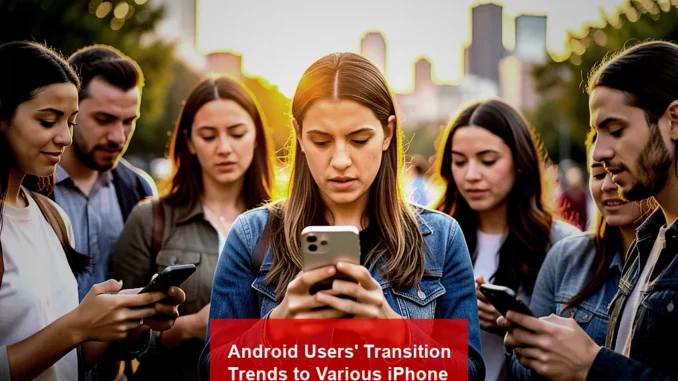
The landscape of smartphone ecosystems is experiencing a seismic shift in 2026, with Android users making a decisive move towards Apple’s iPhone. This trend isn’t driven solely by hardware preferences but by the compelling advantages of the iOS ecosystem that continue to outpace Android’s fragmented offerings. As more consumers seek seamless communication, enhanced security, and integrated services, the migration becomes inevitable and unstoppable.
Recent data from Consumer Intelligence Research Partners (CIRP) illustrates this shift vividly. They report that approximately 12% of all new iPhone buyers in the first quarter of 2026 previously used Android devices. This is a significant increase from previous years, signaling a fundamental change in user loyalty and ecosystem appeal.
Why Are Android Users Flocking to iPhone? Key Demographics and Motivations
The core reasons behind this migration include:
- Enhanced Communication Features: Safety, convenience, and quality of communication apps like FaceTime and iMessage turn into decisive factors. Android’s messaging systems rarely synchronize with family and work groups, whereas iMessage offers end-to-end encryption, rich media sharing, and effortless group management.
- Unified Ecosystem Experience: The seamless integration between iPhone, MacBook, iPad, and other Apple devices creates a unified experience that Android struggles to replicate, especially with third-party manufacturers’ inconsistent software updates and hardware compatibility.
- Security and Privacy: Regular, timely updates and Apple’s strict privacy policies attract users prioritizing security. Businesses also favor iOS for its reliable security framework, making iPhone a preferred device for corporate environments.
- Media and App Optimization: Popular apps, especially those tied to entertainment, banking, and social media, optimize their iOS versions more vigorously, offering better performance and features compared to Android counterparts.
Which iPhone Models Win the Most Android-to-iPhone Transition?
Data suggests that mid-range models like the iPhone 16 and 16 Plus appeal to budget-conscious switchers who crave excellent performance without the flagship price tag. About 17% of transitioning users opt for these models, attracted by their balance of affordability and features.
Meanwhile, a growing segment of users is choosing high-end models like the iPhone 17 Pro Max. Interestingly, 25% of Android to iPhone switches in this category favor the Max version, driven by demands for superior cameras, larger screens, and top-tier performance.
How Can Android Users Transition Smoothly and Quickly to iPhone?
Switching ecosystems may seem daunting, yet the process has become highly streamlined thanks to Apple’s dedicated tools.
- Back Up Existing Data: Use Google Drive, device-specific backup apps, or cloud services to ensure all contacts, photos, and documents are securely stored.
- Use Apple’s “Move to iOS” App: Download and install the app from Google Play, then follow the step-by-step instructions to transfer contacts, messages, photos, and even your browser bookmarks seamlessly.
- Download Essential Apps: Check if your favorite apps are available on iOS. Many developers synchronize subscriptions and data across platforms; for on-demand services, simply log in on your new device.
- Configure iCloud & Apple ID: Set up your account to sync contacts, calendars, and files effortlessly. Enable FaceTime and iMessage to unify your communication channels.
- Optimize Settings: Fine-tune privacy, notifications, and display preferences. Enable automatic updates to keep your device secure and current.
What Are the Most Compelling Reasons to Switch Ecosystems in 2026?
Beyond data transfer, the core value proposition for iPhone lies in the integrated ecosystem and forward-looking software features. For instance:
- Syncing Across Devices: Photos taken on your iPhone automatically appear on your MacBook or iPad without additional effort.
- Security and Privacy Enhancements: Apple’s rigorous app review process minimizes malware risks, while regular updates patch vulnerabilities faster than most Android devices, especially older models.
- Superior Customer Support: Apple’s in-store Genius Bar and dedicated support services provide peace of mind during and after transition.
- Resale Value: iPhones maintain higher resale prices, making the initial investment more economic over time.
Implications for Manufacturers and Carriers
This rising trend compels Android device manufacturers to innovate further or risk losing market share to Apple. Companies like Samsung, Google, and OnePlus focus on differentiating through camera technology, custom UI features, and aggressive pricing strategies.
Mobile carriers, too, recognize this shift. They begin offering tailored trade-in deals, bundled services, and personalized onboarding experiences to ease consumers’ transition into the Apple ecosystem.
Ultimately, the 2026 migration wave highlights a critical shift toward ecosystem reliance and integrated user experiences—factors that Apple continually refines and which now dominates consumer preferences.