
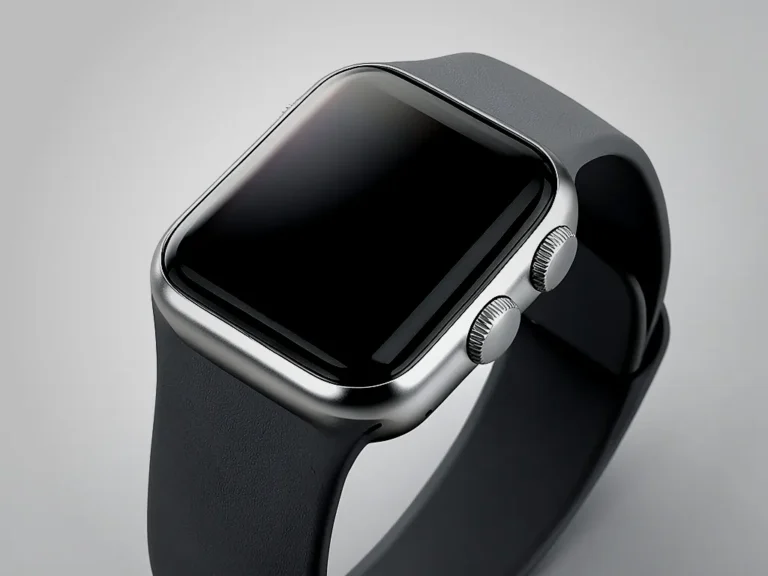
Imagine holding a watch that looks more imposing, yet offers less visible display area. Apple’s latest release, the Series 12, breaks conventional expectations by enlarging its case dimensions while shrinking the active screen footprint. This unexpected design choice sparks immediate questions: Why favor a larger body with a smaller display? How does this impact everyday usability? And most importantly, should you consider upgrading? Apple’s move to increase the case size of the Series 12 aims to serve multiple strategic and engineering objectives. While it appears counterintuitive—creating a larger watch with less usable display space—it makes sense once you understand the underlying motivations. First, the expanded case provides room for newer sensors and a physically larger battery, enabling longer battery life and improved health-tracking capabilities. Increased internal volume opens options for more advanced ECG sensors, blood oxygen monitors, and potentially new features like skin temperature detection—essential tools for health-conscious users and professional athletes. Second, the visual illusion created through design techniques mitigates the apparent decrease in screen size. Apple uses dark-themed interfaces, seamless bezels, and matching bands to hide the edges of the display, giving the illusion of a bigger, more immersive screen despite a reduction in total pixel area. Third, manufacturing and supply chain considerations influence this design. Retrofitting existing manufacturing lines to produce larger yet more integrated internal components allows Apple to keep costs manageable while pushing hardware capabilities forward. Understanding the technical specifics reveals the gravity of this design philosophy. The Series 12’s 46 mm version features a screen size of approximately 1196 mm²—down from 1220 mm² seen in the Series 11—the resolution remaining at 416 x 496 pixels. Although similar in pixel density, the physical screen area has decreased. The 42 mm version experiences a corresponding reduction. These subtle shifts carry significant implications for users. Why does this matter to consumers? The decrease in visible display space means users experience a slightly compressed interface. App icons, text, and watch faces are less spacious, which can influence readability and ease of navigation, especially for users with visual impairments or those who prefer larger text. But all isn’t negative. The increased case size offers tangible benefits: – Enhanced Sensor Inclusion: Room for more sophisticated health sensors, which can lead to more accurate readings and innovative health features. – Longer Battery Life: Larger internal batteries typically translate to extended usage between charges, a critical factor for power users. – Improved Durability: Thicker casing can enhance shock resistance and water sealing. For potential buyers, the key decision stems from weighing these advantages against the slight sacrifice in overall viewing area. Those who prioritize health metrics, extended battery life, and durability may find the Series 12’s approach advantageous. Conversely, users who rely heavily on screen real estate for readability or rapid interaction might find app interfaces more cramped. How does this design shift affect daily use? Many users report that seamless, dark-themed watch faces and bands designed in matching shades make the bezels less noticeable. However, tasks like reading notifications, navigating complex apps, or using maps may require more zooming or scrolling. Practicing specific gestures, such as swiping from edges, might become less intuitive initially. Furthermore, Apple’s internal calibration suggests that despite the smaller display area, image quality and clarity remain consistent because the pixel density is retained. This focus ensures that visual fidelity isn’t compromised. The impact on application development is also noteworthy. Developers need to optimize their apps for these marginally smaller active areas, ensuring UI elements remain accessible and legible. Apple generally offers guidelines, but some third-party apps may temporarily feel less optimized. What does this mean for existing Apple Watch users? If you already own a Series 11 or earlier model, the upgrade may not be drastic unless you highly value the enhanced internal sensors and longer battery life. For new buyers, weighing the benefits of new health features against the slight reduction in display size is vital. The move also exemplifies Apple’s strategic pattern: slowly increasing hardware capabilities while refining user experience through software and design illusions. They’ve done this before with earlier editions, making the physical size larger but reducing the apparent screen bezel. In conclusion, Apple’s Series 12 challenges traditional expectations by merging a larger physical form with a more compact visual experience. It caters to a niche of users seeking advanced health features, better durability, and extended usage without sacrificing core visual fidelity. To decide if the Series 12 meets your needs, explore these action points: 1. Test the new watch in-store focusing on interface readability and gesture responsiveness. 2. Compare the internal sensor suite to your current device: does the potential health tracking advancement align with your goals? 3. Assess whether the longer battery life justifies the slight decrease in visible display area. 4. Consider how the watch’s external appearance matches your style preferences. 5. Factor in the ecosystem benefits—compatibility and integration with your other Apple devices. In essence, the Series 12 exemplifies Apple’s commitment to innovation—challenging norms while delivering new functionalities. Its design choice encourages users to rethink what a smartwatch can be, emphasizing internal excellence alongside outward aesthetics.