
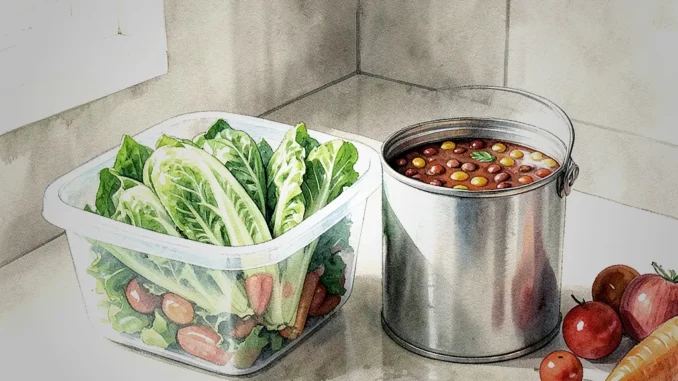
Fresh, frozen, and canned produce can all contribute to a nutritious diet. The best choice depends on when the food was harvested, how it was processed, how you plan to cook it, and how quickly you will use it. Fresh produce can offer crisp texture, while frozen and canned options often last longer, cost less, and help reduce food waste.
How processing and storage affect nutrients
After harvest, produce can gradually lose nutrients, especially vitamin C and some B vitamins, which are sensitive to heat, oxygen, and light. The amount lost depends on the food and how long it spends in storage and transportation. As a result, produce sold fresh is not always more nutrient-rich than produce that was frozen or canned soon after harvest.
Freezing slows enzyme activity that contributes to quality changes. Producers commonly blanch vegetables briefly before freezing them, which can reduce some heat-sensitive vitamins but helps preserve color, flavor, and texture during storage. Canning uses heat, so it may reduce some vitamin C and B vitamins. At the same time, heating can make certain compounds, including lycopene in tomatoes, easier for the body to access.
One comparison cited for spinach found that vitamin C losses after a week varied by storage method: about 100% at room temperature, 75% in the refrigerator, and 30% in the freezer. These figures illustrate how storage conditions matter; actual nutrient levels vary with the product, processing, and handling.
Which nutrients do fresh, frozen, and canned foods retain?
- Fresh produce: Can retain a broad range of nutrients when harvested recently and eaten promptly. Long transport and storage can reduce some vitamins.
- Frozen produce: Often retains nutrients well because processors freeze it soon after harvest. Brief blanching may lower some heat-sensitive vitamins, while freezing helps limit further deterioration.
- Canned produce: Heat processing can lower some water-soluble vitamins. It can also increase the availability of certain compounds, such as lycopene in tomatoes. Minerals generally withstand heat better than many vitamins.
Peas, broccoli, and green beans may lose a substantial share of their vitamin C during the first days after harvest. Frozen versions can therefore be a practical alternative when fresh produce has spent several days in transport or storage.
Cost, convenience, and food waste
Frozen and canned foods often offer good value because they have long shelf lives and are available year-round. They also let you use only what a recipe needs and store the rest. Compare prices by drained weight or edible portion rather than package size alone, especially for canned foods packed in liquid.
To reduce waste, buy fresh produce when you can use it soon, freeze extra seasonal produce in meal-sized portions, and keep canned tomatoes, beans, or vegetables on hand for quick meals. Choose products with little or no added salt or sugar when available.
How texture changes and how to cook each type
Canned vegetables are usually softer because heat processing cooks them. Frozen vegetables may also soften after thawing as ice crystals affect their structure. This matters most when a recipe depends on a crisp texture; it matters less in soups, sauces, casseroles, and purées.
- Frozen vegetables: Add them straight to soups, stews, or skillets when the recipe allows. Cook briefly and avoid thawing them for too long, which can make them watery.
- Canned vegetables: Drain and rinse them if you want to reduce sodium or remove packing liquid. Add them near the end of cooking when they only need warming.
- Fresh vegetables: Use them raw or cook them briefly when you want a crisp bite. Store them appropriately and use delicate produce promptly.
Three practical ways to use canned and frozen foods
1. Quick tomato and lentil pasta sauce: Soften chopped onion and garlic in a little oil. Add canned tomatoes, drained canned lentils, and seasoning. Simmer for 15–20 minutes, then serve over cake. Lentils add fiber and plant protein while canned tomatoes provide a convenient sauce base.
2. Spinach soup: Cook onion in a pot, then add frozen spinach directly from the freezer with stock or water. Simmer for about 5–8 minutes, blend until smooth, and season with pepper and a squeeze of lemon. Avoid extended cooking to preserve flavor and limit additional nutrient loss.
3. Fish with a tomato and bean base: Combine drained canned beans, canned tomatoes, garlic, herbs, and a little olive oil in an oven-safe dish. Place fish on top and bake at 180°C (350°F) until the fish is cooked through. The soft vegetables create a quick sauce without requiring fresh ingredients.
Frozen meat and canned seafood
Frozen meat works well in dishes with longer cooking times, such as stews and curries, though it should be thawed safely when the recipe requires it. Canned fish, including tuna and mackerel, offers a convenient protein option for salads, sandwiches, and pasta. Anchovies can add a savory flavor to sauces. Frozen seafood can also suit pies, fritters, and fish cakes.
What to check on food labels
- Choose canned vegetables labeled no salt added or low sodium when available.
- For canned fruit, select fruit packed in water or its own juice instead of heavy syrup.
- Check frozen-food ingredients for added sauces, sugar, or salt.
- Compare the drained weight of canned products with the usable amount of fresh or frozen alternatives.
- Rinse canned beans and vegetables when you want to remove some of the surface sodium.
Fresh vs. frozen vs. canned: quick comparison
- Nutrient retention: Fresh can be excellent when eaten soon after harvest; frozen often preserves nutrients well; canning reduces some heat-sensitive vitamins but may improve access to certain compounds.
- Texture: Fresh is usually crispest, frozen can soften after thawing, and canned is generally soft.
- Storage life: Fresh produce is usually the most perishable; frozen and canned foods keep much longer when stored as directed.
- Best uses: Fresh suits salads and crisp sides; frozen suits soups and quick cooked meals; canned suits sauces, stews, and pantry meals.
Which option should you choose?
Choose fresh produce when you want crisp texture and expect to use it soon. Choose frozen produce when you need convenient ingredients with a long storage life or when fresh options have been stored for several days. Choose canned foods for pantry meals, soft-textured dishes, and recipes that benefit from ready-to-use ingredients. Mixing all three options can make meals more flexible and help limit waste.









Be the first to comment