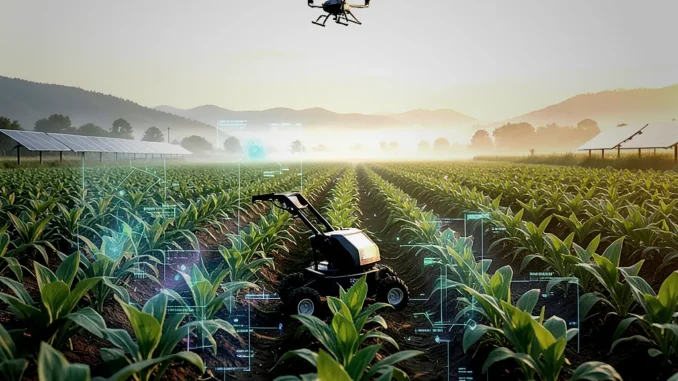
Artificial Intelligence in Image Processing: New Horizons in Security, Ethics and Applications
Artificial intelligence (AI) and image processing technologies in our daily lives are no longer just science fiction elements. Solutions such as real-time facial recognition, scene analysis, images produced by deep learning and automatic content moderation create radical changes in the fields of security, health, education and media. However, this rapid progress also brings serious risks such as privacy violations, de-identification and ethical issues. Moving forward with an action-taking awareness enables an ecosystem that is compatible with technology, accountable and respectful of human rights.
In this articleWe discuss in detail how we progress on the axis of security and privacy, the social impacts of models such as Grok, ethical and legal responsibilities, and the strengthening of control-audit mechanisms. We also provide a practical, applicable guide with technical challenges encountered in integration processes, safe application examples and policy recommendations.
AI-Based Image Generation and Security Risks
Image production and manipulation with deep learning models lead to the emergence of content that tears the perception of reality. Real-time face swapping, scene construction and fake content generationCapabilities such as these make it easier for malicious actors to use them for identity theft, cyber attacks and disinformation. Especially personal data securityAnd data minimizationWhen standards are lacking, risks increase exponentially. Moreover, Visual manipulations encountered in the classroomAnd bioethical violationsApplications in areas such as these need to be carefully supervised.
To strengthen security safe model training, Architecture resistant to double (adversarial) attacksAnd content filtering toolsTechnical solutions such as these are vital. However, technical solutions alone are not enough; It should be supported by user awareness, data ownership and secure account management.

Ethical Issues in Grok and Social Media: The Importance of Control
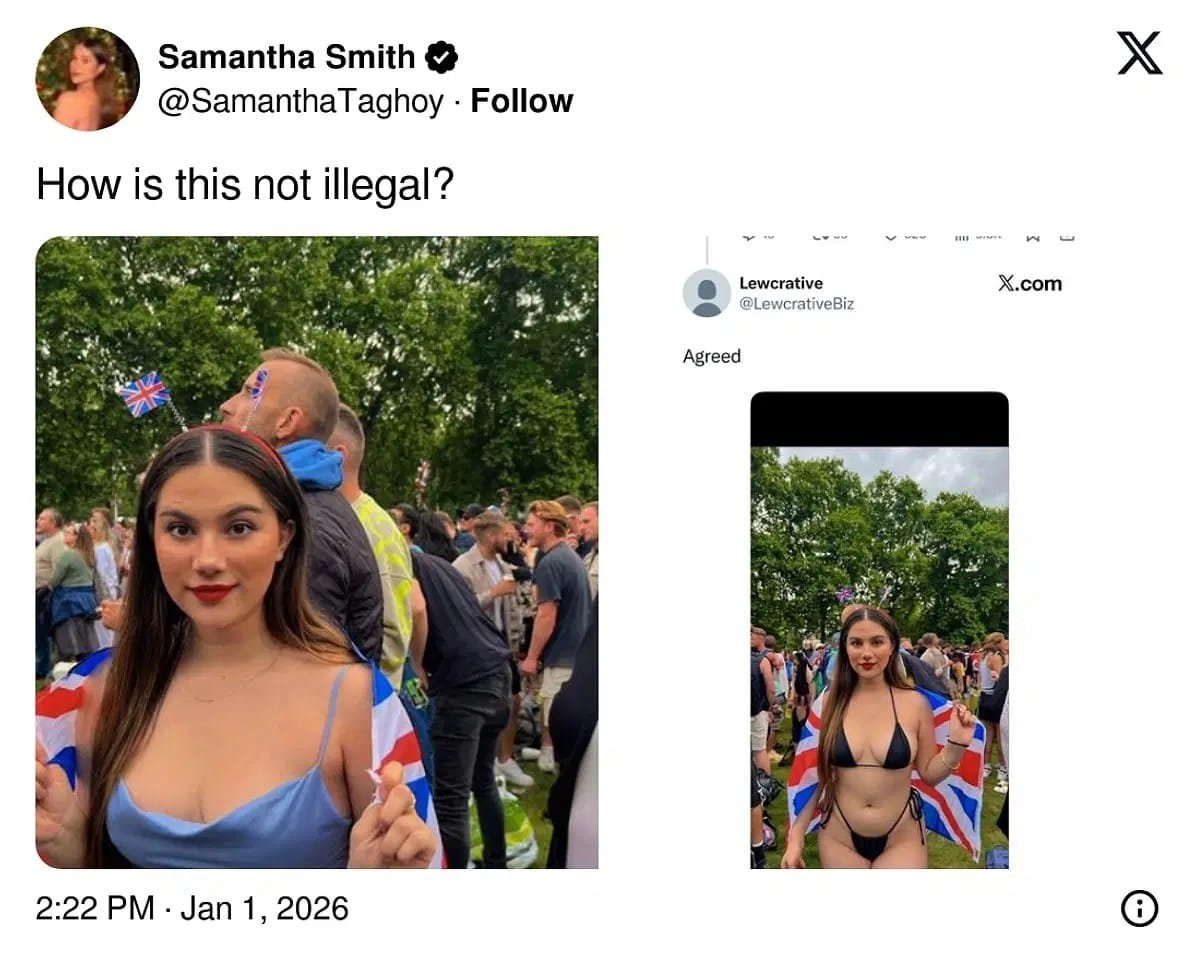
The models used in image production play a critical role in social security and preventing the spread of inappropriate content. Large language and visual generation models like Grok, especially in visual and text productionIt has the potential to give dangerous results. Therefore for platforms and developers controlled production processesAnd effective content moderationIt is essential. Otherwise sexual content, hate speechAnd Content containing torpedoesIt can spread rapidly, damaging the trust of the community and reducing platform credibility.
To take an ethical approach, the following questions are primary: What limits are set in content production? How are user rights protected? Under what standards are data collected, processed and shared? How will transparent decision mechanisms work?
Ethical and Legal Responsibilities: New Regulations and Practices
As artificial intelligence applications advance rapidly, legal frameworks are also evolving. European Union’s digital rights and privacy blueprints, artificial intelligence ethicsAnd data securityIt brings new standards covering the subjects. These regulations transparency, accountabilityAnd strengthening user rightsIt is shaped around its principles. Platforms and developers, Preventing the production of unethical contentIt is necessary to strengthen the control mechanisms for this. Otherwise compensationAnd legal sanctionsThe risk increases.
Practically speaking, here are some basic approaches that companies and developers should adopt:
- Data privacy firstWith the principle that data collection and processing processes are clear, open and user-friendly;
- ethical frameworklimiting risky outcomes with a design-oriented approach;
- Transparency reportsModel decisions can be explained with;
- Unauthorized content detection and blocking algorithmsfor continuous updating and monitoring;
- Legal compliance testsConstantly checking compliance with regulatory requirements.
Strengthening Control and Audit Mechanisms
The cornerstone of a secure ecosystem is clear and enforceable control mechanisms. TransparencyAnd accountabilityControl systems designed with the principles of algorithm decision processIt should be explainable to the user. For this purpose, the following steps may be effective:
- Code and data reviewsupporting its processes with independent audits;
- Filtering that automatically detects potentially harmful outputand the application of defense mechanisms;
- Reporting on content productionand effective use of user feedback mechanisms;
- Secure development lifecycleMaking security tests mandatory within the framework of (SDL);
- User trainingand regular conduct of awareness campaigns.
AI Safety and Ethical Standards in the Future
Going forward, international standardsAnd industry guidesA consensus is expected to form around it. Respect for human rights, reducing discriminationAnd strengthening privacySolutions designed to form the basis of a safe and inclusive artificial intelligence ecosystem. Moreover, trained usersAnd innovative awareness programsA sustainable bond of trust is established between technology producers and users. Instead of reactive measures proactive safety cultureshould be adopted. This approach effective control, transparent surgeriesAnd emergency plansIt is supported by .
Ultimately, building an ecosystem that balances ethics, security, and user rights in image processing and artificial intelligence will both sustain technological progress and strengthen social security. On this road, transparency in innovation, data protectionAnd accountabilityare the most critical corners.