
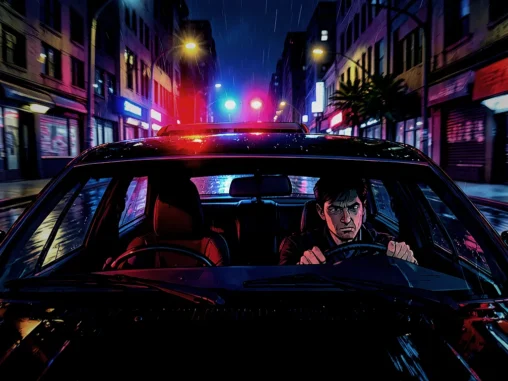
Grand Theft Auto began as an unconventional experiment by Dundee-based DMA Design. Released in 1997, the original game gave players an unusual degree of freedom: they could explore city streets, steal and switch vehicles, and choose how to approach the world around them. That simple permission to get out of a car helped distinguish the game from the driving titles that inspired its development—and laid the groundwork for one of gaming’s most recognizable series.
How the original Grand Theft Auto found its identity
DMA Design initially explored a racing-focused concept. During development, the team tested different roles and directions, including letting players act as police officers. The designers ultimately found that playing as a criminal offered more entertaining possibilities, so they built the game around that perspective.
The result mixed driving, action, missions, and free exploration. Rather than explaining every system before play began, the game encouraged players to learn by experimenting. Players could follow objectives or roam, take risks, and discover how the city responded. That combination made the experience easy to enter but rich enough to discuss and revisit.
Why GTA’s fictional details made its cities feel real
Limited licensing resources encouraged the developers to create original radio stations, fictional DJs, parody advertisements, and invented brands. These details did more than avoid the cost of using real-world names. They gave each city its own voice and helped make the setting feel like a coherent place rather than a collection of missions.
Radio programming, background jokes, and fictional products also rewarded players who paid attention. A passing advertisement or a DJ’s comment could reinforce the game’s satirical tone without interrupting the action. This approach became a lasting part of the series’ world-building: small details helped players feel surrounded by a living culture.
How controversy increased GTA’s visibility
The series’ crime and violence sparked public criticism, including calls for restrictions in the United Kingdom. The controversy drew attention to the game, and publisher BMG Interactive benefited from the resulting publicity. Debate made more people aware of GTA and gave curious audiences another reason to find out what the game contained.
Controversy alone does not explain the series’ longevity. Players also needed a distinctive experience worth recommending. GTA paired its provocative subject matter with open-ended play, recognizable urban settings, and humor, giving the attention generated by public debate a product that audiences could explore for themselves.
How Scottish roots shaped GTA’s satire
GTA’s fictional American cities exaggerate recognizable aspects of US culture. The creators’ Scottish perspective helped give that exaggeration the feel of an outsider’s commentary: familiar social conventions became material for parody, while everyday details took on an absurd edge.
That satirical approach developed into one of the series’ defining traits. GTA does not rely only on its missions or characters to tell stories; it also uses radio, advertising, signage, and environmental details to poke fun at consumer culture and public life.
What made Grand Theft Auto a commercial success?
GTA’s success grew from several elements working together: accessible core mechanics, a world full of memorable detail, satirical writing, and marketing that kept each release in the public conversation. The games offered familiar actions—driving through a city and exploring its streets—while letting players combine those actions in unpredictable ways.
Later releases demonstrated the scale of the franchise’s commercial reach. Grand Theft Auto V generated $1 billion in revenue within three days of its 2013 release, according to widely reported launch figures. Its performance reflected more than game design: a major launch, strong audience anticipation, broad platform support, and extensive media coverage all contributed.
Why GTA 6 anticipation reflects modern launch trends
Expectations for Grand Theft Auto 6 have highlighted how digital storefronts and preloading shape major game launches. A large installation can encourage players to download the game before release so they can begin playing as soon as access opens. At the same time, heavy interest can put pressure on online stores and create intense demand around launch day.
Reports and discussion about a potential installation size, including figures such as 212 GB, should be treated as estimates unless confirmed by the publisher. The broader trend is clear: publishers now plan for digital demand, advance downloads, and simultaneous access across platforms as part of the launch experience.
How GTA’s influence reaches beyond video games
The franchise has extended its fictional worlds into real-world events and promotions. Vice City-inspired activities at London department store Selfridges and appearances of fictional GTA-style advertising in Miami show how the series can turn its visual language into an experience beyond the screen.
These activations give fans a chance to engage with the series in physical spaces, while the recognizable names and imagery can attract attention from people who do not regularly play the games. They also demonstrate how a carefully built fictional world can support cultural experiences beyond a game’s release window.
What developers can learn from GTA’s open-world design
- Make the central actions immediately understandable. Driving, exploring, and interacting with the city give players a clear starting point. Add depth through combinations and consequences rather than making every action difficult to learn.
- Use environmental details to tell stories. Fictional radio shows, advertisements, and brands can establish a setting’s character without relying on lengthy explanations.
- Give players meaningful freedom. Let them choose between following objectives and exploring, and make both approaches feel rewarding.
- Connect satire to the world itself. Humor works especially well when it appears consistently in dialogue, radio, scenery, and mission design.
- Plan the launch as part of the experience. Coordinate digital availability, advance downloads, platform support, and real-world promotion so that audience interest can translate into a smooth release.
Why the first GTA still matters
The original Grand Theft Auto turned a small development team’s experiment into the foundation for a global franchise. Its lasting influence comes from the way it combined player freedom, detailed fictional cities, and sharp satire. Later games expanded the scale and presentation, but the core appeal began with a simple idea: let players explore a city and decide what to do there.









Be the first to comment