Which records will the court allow to be shared in the case?
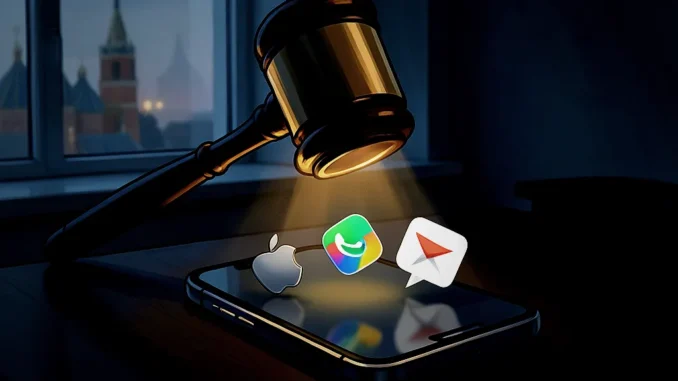
Judge Edward Davila has authorized the sharing of particular documents related to OpenAI’s examination of Apple’s hiring practices. The court mandates that documents include interview checklists, interview guides, internal instructions, candidate evaluation scenarios, and records of technical presentations made by foreign. Additionally, any records explicitly referencing Apple technologies or hardware components during interviews may also be scrutinized. This broad inclusion aims to clarify whether confidential technical information was improperly transferred during recruitment processes.
What is the timeline and submission schedule for the court?
The judge ordered a phased submission of evidence: OpenAI’s existing relevant documents need to be submitted within five days, while other records will be due in fourteen days. This structured schedule aims to streamline document review, ensuring quicker case progression and efficient evidence evaluation related to claims of intellectual property misappropriation.
What are Apple’s core claims in the lawsuit?
Apple claims that several employees transferred proprietary technical files and detailed engineering presentations to OpenAI. These claims include the download of unreleased product files from Apple laptops, sharing of confidential engineering documents, and guidance provided to prospective new hires on which sensitive information to bring to interviews. Such activities, if proven, could constitute violations of trade secrets law, damaging Apple’s competitive edge.
Which private communications will be examined during the case?
The court permits investigation into private messages, particularly those exchanged via LINE between OpenAI employees Chang Liu and Alyssa Peng. These messages could contain evidence of direct information transfers or instructions regarding confidential data. The involvement of Tang Yew Tan, a hardware executive, who may be called for sworn testimony, emphasizes the focus on leadership-level communication and intent regarding sensitive technical sharings.
Does the court’s decision imply evidence of wrongdoing?
Granting access to specific documents and communications does not automatically conclude guilt. Instead, it enables the scrutinization of whether confidential information was deliberately transferred or negligently exposed. The court’s primary role is to ensure a fair process while the parties gather and analyze evidence, which will ultimately determine if violations occurred.
Has the court approved all of Apple’s demands?
No, the court rejected some broader initiatives from Apple, particularly requests related to general research on metal surface coatings and power management technologies. The judge’s decision limits scope to documents directly associated with the hiring process and specific technical disclosures relevant to the judiciary, conserving resources and focusing on the core issues of alleged trade secret mishandling.
How does OpenAI’s hardware research context relate to the lawsuit?
The case centers on OpenAI’s development of hardware and robotic systems that are not yet publicly announced. These projects could represent advancements in AI-powered device ecosystems, potentially surpassing traditional mobile technology models. The involvement of former Apple engineers suggests that the lawsuit also probes whether OpenAI’s innovations derive unlawfully from confidential Apple projects, raising questions about intellectual property boundaries.
What key evidence indicates trade secret disputes like this?
Proving misappropriation typically depends on several critical documents and records: – Technical presentations and engineering files that demonstrate originality and internal confidentiality. – Interview checklists and candidate evaluation notes revealing targeted information during recruitment. – Private message logs showing communication patterns and explicit or implicit transfer of sensitive data. – Device logs indicating who accessed or transferred specific files. Examining these elements provides a comprehensive view of whether proprietary information was unlawfully shared or protected adequately.
What are the next steps for each party post-evidence sharing?
Following document submissions, each side can request expert analyzes of technical data, seek to impose or lift confidentiality restrictions, or submit additional evidence to strengthen their position. Apple may narrow or expand its demands, while OpenAI can challenge the scope of shared information. The goal remains to clarify whether violations took place and establish the legal boundaries of confidential data handling.
What impact will these rulings have on the tech industry’s hiring and IP protection?
This case signals a more rigorous scrutiny of employee transitions between Competitors. Companies are increasingly emphasizing strict confidentiality agreements, detailed interview procedures, and internal oversight of sensitive project disclosures. The ruling underscores that legal action can compel access to internal documents, encouraging firms to reinforce data security during recruiting and onboarding processes.
Summary of common questions (People Also Ask)
- What changes if Apple obtains new evidence? If significant surfaces evidence, it could reinforce claims of trade secret theft, potentially leading to trial or settlement. If not, the case may proceed on other grounds or be dismissed.
- Will OpenAI need to disclose its proprietary research? The court allows sharing of specific documents related to the lawsuit; however, broader research disclosures remain subject to confidentiality protections unless ordered otherwise.
- Could this case influence industry hiring practices? Yes, heightened scrutiny may prompt companies to adopt more transparent, secure recruitment protocols and tighten controls over intellectual property transfer during employee transitions.