
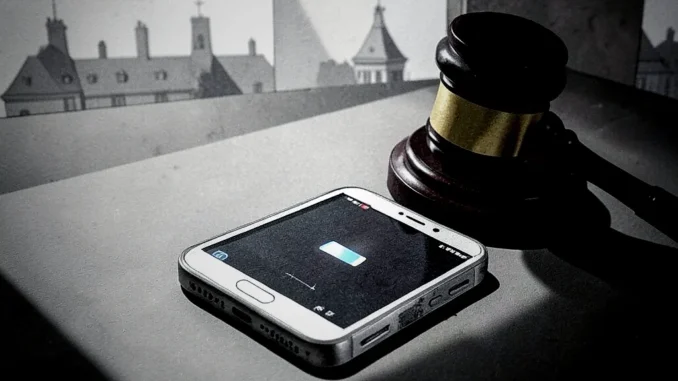
A French consumer group has filed a complaint accusing Apple of making repairs to certain iPhones more difficult when customers use independent repair shops. The group argues that restrictions on replacement parts and software compatibility can shorten a device’s practical lifespan and push owners toward buying a new phone. The case is scheduled to be heard in Paris on June 17.
What is the case about?
Halte à l’Obsolescence Programmée (HOP), a French organization focused on planned obsolescence, alleges that Apple’s repair policies limit the ability of independent technicians to restore iPhones. The complaint centers on whether software and parts-pairing practices can prevent a repaired device or replacement component from working as expected.
The complaints are not a court finding. The hearing will consider the complaint and the evidence presented; the outcome will determine whether any legal violation has been established.
Which iPhone models are named?
The complaint reportedly covers the iPhone XS, iPhone 12, iPhone 13, iPhone 14 and iPhone 15 families, as well as the 2022 iPhone SE. The inclusion of several generations allows the complaint to examine repair practices across both older and newer devices.
What does HOP allege about independent repairs?
HOP says that some replacement parts installed outside Apple’s authorized service network may not be recognized fully by the phone. It also alleges that software updates can affect compatibility, or that certain features may stop working after a repair. Reported examples include problems involving touch controls, battery information, sensors or Face ID.
The organization says it has gathered user accounts and technical reports from repair professionals, along with information about changes observed after software updates. These materials are intended to support its claims; Their significance will depend on how the court assesses them.
What penalties could apply in France?
French law treats planned obsolescence as an offense. According to the information cited in connection with the complaint, penalties can include up to two years in prison for responsible individuals and a fine of up to €300,000. Depending on the applicable legal provisions, a fine may also be calculated as a percentage of a company’s revenue, potentially reaching 5%.
Any penalty would depend on the court’s findings and the legal rules applied to the case. Filing a complaint does not mean that Apple has been found liable.
How does this case relate to Apple’s earlier French penalty?
HOP previously brought a case concerning Apple’s disclosure of software updates that could slow some older iPhones. In 2021, Apple received a €25 million fine in France over information provided to users about that issue. The earlier case focused on disclosure and update-related performance, while the current complaint concerns alleged obstacles to repairs and parts compatibility.
How can a repair make an iPhone appear unusable?
A repair can become frustrating when a replacement component does not work properly with a device’s software or when a feature is unavailable after the repair. For example, a customer might have a screen replaced by an independent shop, then find that touch functionality or Face ID is affected. The technician may report that the phone does not recognize the component, while an authorized service option could involve a higher price or a longer wait.
This example describes the type of problem alleged in the complaint, not a guaranteed outcome for every third-party repair. Results can vary by model, component, repair method and software version.
What could change if the court rules against Apple?
A rulings against Apple could lead to financial penalties or requirements affecting how repairs work in France. Possible areas of scrutiny include access to replacement parts, repair documentation, service information and software support for devices repaired by independent technicians. The case could also inform discussions about repair rights elsewhere in Europe, although any changes would depend on separate laws and regulatory decisions.
What can iPhone owners do if a repair causes a problem?
-
Keep the repair invoice, service report and any messages exchanged with the repair shop.
-
Record the iPhone model, iOS version and the date the problem began.
-
Ask the technician to describe which part was replaced and whether the device recognized it after installation.
-
Check the warranty and available service options before authorizing additional work.
-
If the issue remains unresolved, contact a consumer organization or the relevant consumer-protection authority.
Frequently asked questions
Why is Apple facing a complaint in France? HOP alleges that Apple’s repair and parts-compatibility practices can make independent iPhone repairs harder and may shorten devices’ usable lives.
Which iPhones are included in the complaint? The models reportedly include the iPhone XS, iPhone 12 through iPhone 15 families, and the 2022 iPhone SE.
Has a court found Apple guilty? No. The complaint contains accusation, and the court hearing will consider the case. A filing alone does not establish wrongdoing.
When is the hearing? The case is scheduled to be heard in Paris on June 17.
Could the case affect repair rights beyond France? It could influence wider discussions, but changes in other countries would depend on their own legal and regulatory processes.






Be the first to comment