
Imagine standing under a vast, dark canvas suddenly bursting into streaks of light, each one a fleeting masterpiece painted by cosmic debris blazing through our atmosphere. That’s exactly what the Draconid meteor shower promises tonight—and if you know how to prepare, you can experience this celestial spectacle firsthand. Don’t miss your chance to witness a rare, dynamic event that illuminates the universe’s ongoing dance around the Sun. ##Why Tonight’s Draconid Meteor Shower Could Be the Most Spectacular Yet The Draconid meteor shower, also known as the Giacobinids, occurs annually when Earth passes through the trail of debris left by comet 21P/Giacobini-Zinner. What makes this event especially thrilling tonight is the potential for short, intense bursts of activity—sometimes called outbursts or storms—triggered by parts of the comet’s dusty remnants intersecting Earth’s path unexpectedly. Historically, these showers produce fewer meteors than others like Perseids or Geminids—averaging around 10-20 meteors per hour under normal conditions. But during active outbursts, counts can spike dramatically, sometimes reaching hundreds in a short window. These sudden intensities happen when Earth’s orbit intersects dense pockets of dust, creating a dazzling display. ## How to Maximize Your Observing Experience Preparation transforms a casual night under the stars into a memorable event. Here’s a step-by-step guide: 1. Choose Your Location Wisely: Select a site at least 50 miles away from city lights, ideally on high ground with unobstructed views of the northern horizon (since Draconids radiate from the Draco constellation). 2. Check Weather Conditions: Clear, cloudless skies are essential. Monitor local weather forecasts and plan to be ready at least an hour after sunset. 3. Timing Is Crucial: The peak activity typically occurs between 9 pm and midnight local time, but some outbursts may start earlier or last longer. Be prepared to stay outside for at least an hour. 4. Dress Appropriately: Bring warm clothing, blankets, and hot drinks. Cold night air can quickly sap your comfort and focus. 5. Use the Right Equipment: – Binoculars or telescopes are *not necessary* for meteor viewing; The event demands a wide sky view. – Photographers should use wide-angle lenses (14-35mm) mounted on tripods with manual settings. 6. Prepare Mentally and Physically: Give yourself enough time—aim for a 1-3 hour window—and avoid looking at your phone’s screen which can ruin night vision. ## How to Observe Meteor Showers Effectively Observing meteors requires patience and strategic positioning. Follow these tips: – Lie back comfortably on a reclining chair or blanket and keep your neck relaxed. – Focus on a wide portion of the sky rather than staring directly overhead—this enhances your chances of spotting meteors entering from various angles. – Avoid bright lights and screens; They diminish your dark adaptation. – Be vigilant throughout the peak hours, as meteors can appear sporadically outside the predicted peak. – Keep a meteor log or take photos to document your experience. ## Tips for Photographers Wanting to Capture the Shower Capturing meteors isn’t about zooming in; Wide-angle shots with extended exposure are key. Here’s what you should do: | Step | Action | |——–|———| | 1 | Mount your camera on a sturdy tripod and attach a wide-angle lens (14-24mm preferred). | | 2 | Set your camera to manual mode with ISO 1600-3200. | | 3 | Adjust aperture to the widest setting (f/2.8 or lower). | | 4 | Use a remote shutter or intervalometer to take continuous shots of 15-30 seconds each. | | 5 | Focus at infinity, preferably on a bright star or distant light. | | 6 | Keep the camera steady and avoid touching during long sessions. – Combine multiple shots in post-processing to create a time-lapse or star trail effect with meteor streaks. ## Understanding the Science Behind Draconid Activity The Draconid meteors originate from dust chewed off by comet 21P/Giacobini-Zinner during its trips around the Sun. When Earth crosses the comet’s debris trail—sometimes at high speeds—meteors blaze into our atmosphere, burning vividly. Outbursts happen unpredictably when Earth encounters dense pockets of debris. These episodes offer valuable data, helping scientists understand cometary behavior and orbit evolution. ## When to Expect Peak Activity and How to Prepare Peak activity typically occurs around early October but can vary each year. Watch for updates from astronomy organizations and space weather forecasts. – Available tools include apps that map meteor showers or alerts from astronomy clubs. – Prepare a checklist: warm clothes, a comfortable chair, star chart, camera gear, snacks, and patience. ## The Significance of Watching the Draconids Experiencing a meteor shower links us to the cosmos’ dynamic raw material cycle. Each streak of light signifies eons of cosmic dust hurtling through space, eventually vaporizing in a brilliant flash. For enthusiasts and scientists alike, these events serve as live demonstrations of celestial mechanics and our planet’s active intersection with solar system debris. ## Conclusion: Seize the Night Tonight’s Draconid meteor shower offers a rare chance to witness the universe’s ongoing work. With proper planning, patience, and a bit of luck, you can observe one of the most captivating sky shows of the year. Prepare early, stay tuned to weather updates and astronomy alerts, and set your eyes skyward—each meteor you see ties you closer to the cosmos.
Tonight’s Sky Watch: What You Need to Know About the Awakening Dragon During Space Week

Technology
Games to be Removed from Game Pass by November 30 Announced
Discover which games are leaving Game Pass by November 30, and find out how much time you have left to play them.

Technology
2027 Grammy Awards: Video Game Category Nominees Announced
Discover the nominees for the 2027 Grammy Awards’ video game category, celebrating outstanding music composed for games.
Technology
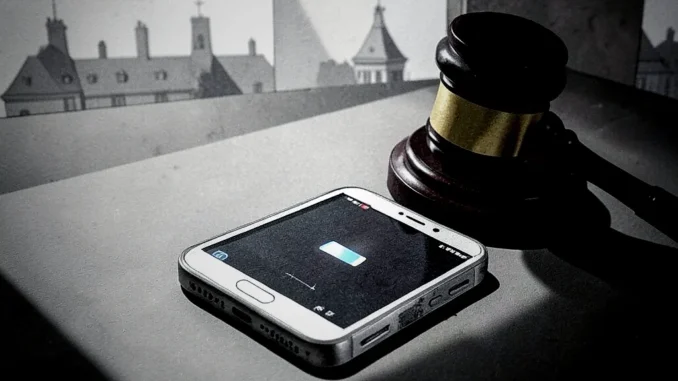
Apple Faces Planned Obsolescence Lawsuit in France Over iPhone Models
Apple faces a French lawsuit alleging planned obsolescence in iPhone models, renewing scrutiny of the company’s software update practices.

Technology
Apple Introduces New Security Measures for AI Apps on Mac
Apple adds new security measures for AI apps on Mac, aiming to protect user data and strengthen privacy.
Technology
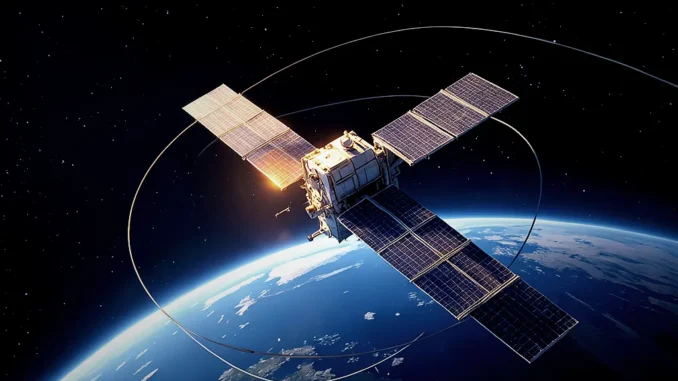
Starlift: NATO’s Multinational Space Initiative and Its Strategic Role
Explore Starlift, NATO’s multinational space initiative, and its strategic role in strengthening allied cooperation and security in space.

Technology
New Details Emerge About the iPhone 20 Pro Series Apple Will Unveil in January 2026
Explore the latest details about Apple’s iPhone 20 Pro series, reportedly set for a January 2026 unveiling.

Technology
Apple Tests Facial Recognition in iPhone Duo Beta Update
Apple is testing facial recognition features in a beta update for its iPhone Duo, hinting at new ways to unlock and secure the device.
Technology
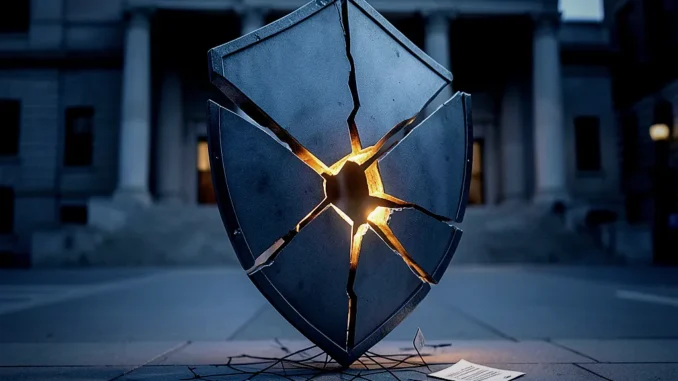
OpenAI Sued Over Security Breaches
OpenAI faces a lawsuit over alleged security breaches, raising questions about data protection, user privacy, and the company’s security practices.
Technology
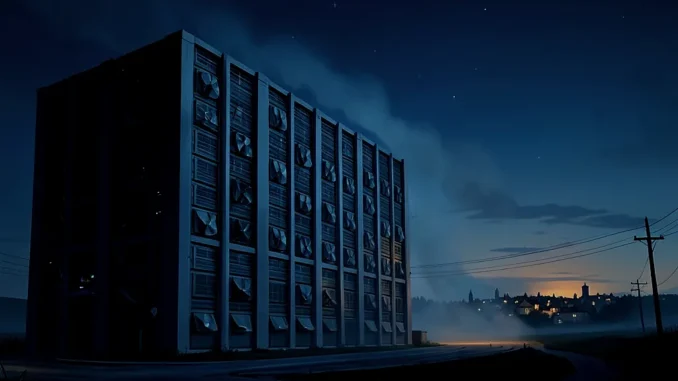
US Data Centers Emit More CO₂ Annually Than a Small European Country
US data centers emit more CO₂ each year than a small European country, raising concerns about the environmental impact of growing digital demand.

Technology
Why Human Body Temperatures Are Lower Than Our Ancestors’
Discover why average human body temperatures have declined over generations and what changes in health, lifestyles, and living conditions may explain it.