
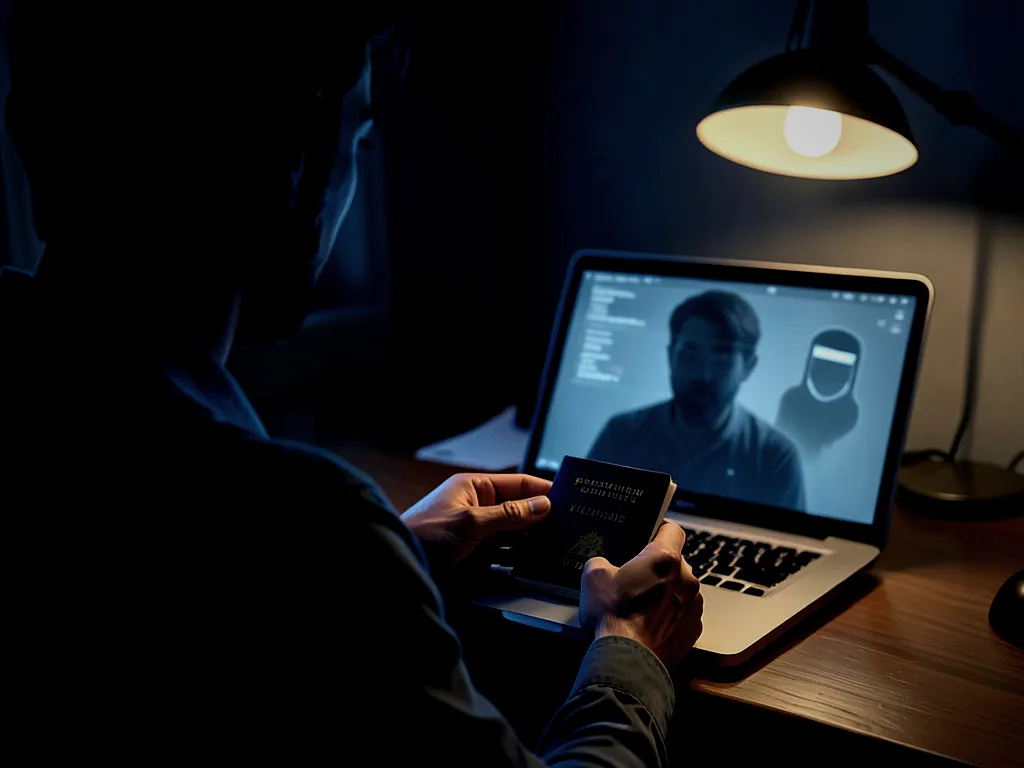
Identity checks are now common on banking, government, travel, and other online services. But sharing a passport or ID photo can expose sensitive details if the service suffers a data breach or turns out to be fake. ESET warns that stolen identity documents may help criminals commit identity theft, financial fraud, and targeted phishing.
What Happened in the UK Visa Portal Data Breach?
In May 2026, a data breach involving the third-party UK Visa Portal reportedly exposed at least 100,000 passport images and selfies. The affected information included passport numbers, dates of birth, and contact details. Criminals can combine these details to impersonate victims, tailor convincing scam messages, or attempt financial fraud.
How Can You Share Identity Documents More Safely?
- Check whether the document is necessary. Confirm that the organization needs a passport or ID image for the specific service you are using.
- Use the official website. Go directly to the government agency, bank, or service provider instead of following an unexpected link in an email or message.
- Verify the web address. Check the domain carefully for misspellings, extra words, or unusual endings that may signal a lookalike site.
- Avoid sending documents through ordinary email or messaging apps. Use the provider’s secure upload process when one is available.
- Review data retention terms. Find out how long the organization keeps your documents, who can access them, and how you can request deletion.
- Keep devices protected. Use reputable security software and install operating system and browser updates.
Why Are Fake Visa Websites Dangerous?
Scammers often imitate official visa and travel services to collect identity documents, contact details, and payment information. A search result or message link can lead to a convincing copy of a legitimate site. Before uploading a document or entering payment details, compare the address with the official agency’s published website and check that you reached the service through a trusted route.
What Should You Do If Your Identity Documents Are Exposed?
- Find out what was exposed. Read the organization’s breach notice and contact it through its verified website if the notice does not explain which information was affected.
- Secure relevant accounts. Change passwords that may be at risk, use unique passwords, and turn on two-factor authentication wherever possible.
- Contact your bank if financial details were involved. Ask about protective measures and monitor account activity for unfamiliar transactions.
- Watch for targeted scams. Treat unexpected messages that cite your travel or identity details with caution, and do not open links or attachments until you verify the sender.
- Contact the appropriate authorities. Report suspected identity theft and ask the relevant government agency whether you should replace or otherwise secure your passport or ID.
Can a Stolen Passport Image Be Used for Fraud?
Yes. A passport image can reveal information that criminals may use to impersonate someone, support fraudulent applications, or make phishing attempts more believable. A leaked image does not automatically mean that fraud will occur, but it increases the importance of securing accounts, monitoring financial activity, and following advice from the organization and relevant authorities.
Be the first to comment