
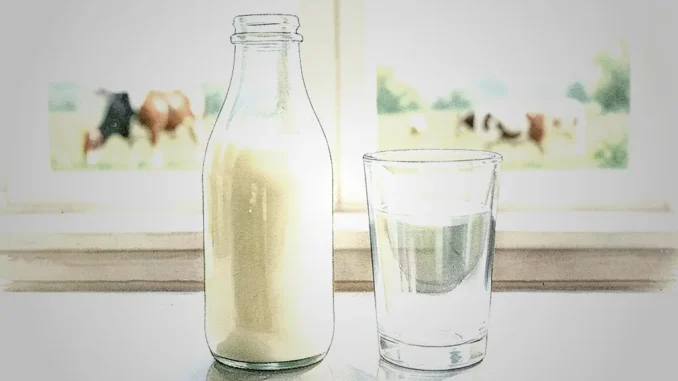
Raw milk is milk that has not been pasteurized to reduce harmful microorganisms. Some people choose it for its taste or because they believe it contains more beneficial bacteria and nutrients. However, evidence for those health benefits remains limited, while the risk of foodborne illness is well established. Pasteurized milk offers similar nutritional value with substantially lower microbial risk.
What is raw milk?
Raw milk comes from cows, goats, or sheep and has not undergone pasteurization. Pasteurization uses heat to destroy disease-causing microorganisms. It does not make milk sterile, but it significantly reduces the risk of infection from pathogens that may enter milk during or after milking.
Why do people drink raw milk?
People who prefer raw milk often cite its flavor, a desire for less-processed foods, or claims that it contains more live beneficial bacteria and nutrients. Interesting has also grown alongside natural-food and wellness trends. These preferences explain why raw milk attracts attention, but they do not establish that it improves health.
Does raw milk have health benefits?
Claims about raw milk focus on live microbes, preserved vitamins, and a possible connection with lower rates of allergies or asthma. Current research does not provide strong evidence that drinking raw milk causes these benefits. Many studies are observational, so they cannot separate the effects of milk from other influences such as farm exposure, diet, family history, and lifestyle.
- Beneficial bacteria: Raw milk can contain a wider range of microorganisms, but that does not mean those microbes reliably improve health. It can also contain disease-causing bacteria.
- Vitamins: Pasteurization may affect some heat-sensitive compounds, but the overall nutritional change is generally small. Milk is not a major source of vitamin C, and the evidence does not show that raw milk provides a meaningful nutritional advantage.
- Allergies and asthma: Some observational studies have linked farm environments or raw-milk consumption with lower rates of these conditions. They do not prove that raw milk itself prevents allergies or asthma.
What are the risks of drinking raw milk?
Raw milk can carry Salmonella, Campylobacter, Listeria, and harmful strains of E. coli, including E. coli O157. Infection may cause diarrhea, abdominal cramps, vomiting, fever, and—in severe cases—serious complications such as bloodstream infection or kidney injury. A clean-looking product and a healthy animal do not guarantee that milk is free of pathogens.
Pregnant people face particular concern because Listeriosis can harm the fetus even when the pregnant person experiences mild symptoms. Infants and young children, older adults, and people with weakened immune systems also face a greater risk of severe illness.
Who should avoid raw milk?
Infants and young children, pregnant people, older adults, and anyone with a weakened immune system should avoid raw milk and products made from it unless a qualified health professional advises otherwise. Public-health agencies in countries such as the United Kingdom warn that raw milk presents a higher food-safety risk, especially for these groups.
Is raw milk safe if it comes from a trusted farm?
Careful animal care, clean equipment, testing, refrigeration, and responsible handling can reduce contamination risk, but they cannot guarantee that raw milk is pathogen-free. Harmful microorganisms may be present without changing the milk’s smell, taste, or appearance. Refrigeration slows bacterial growth; It does not remove pathogens already in the milk.
In Türkiye, concerns also include unlabelled or uninspected milk sold without reliable cold-chain controls. Consumers should distinguish regulated, traceable products from milk sold openly with no clear information about testing, handling, or storage. Even regulated raw milk carries more infection risk than pasteurized milk.
How can you reduce risk if you choose raw milk?
No handling step makes raw milk as safe as pasteurized milk. If you still choose to consume it, these precautions may help limit—but cannot eliminate—the risk:
- Check traceability: Look for a clearly identified producer, required permits, and information about animal-health checks and testing.
- Maintain refrigeration: Keep the milk cold during transport and storage, ideally at 4°C (40°F) or below. Do not leave it at room temperature.
- Use clean containers: Keep the milk sealed and away from contaminated surfaces, utensils, and other foods.
- Do not serve it to high-risk groups: Avoid giving raw milk to children, pregnant people, older adults, or anyone with weakened immunity.
- Choose a safer alternative: Pasteurized milk, UHT milk, and pasteurized fermented dairy products provide lower-risk options.
Raw milk versus pasteurized milk
Both raw and pasteurized milk provide nutrients such as protein, calcium, and several B vitamins. Pasteurization reduces harmful microbes while causing only small changes to the milk’s overall nutritional profile. For most people, pasteurized or UHT milk is the practical choice when they want milk with a lower risk of foodborne infection.
Does raw milk prevent asthma or allergies?
No reliable evidence shows that raw milk alone prevents asthma or allergies. Some studies report an association, particularly among children raised on farms, but farm exposure, genetics, and other lifestyle factors may explain some or all of the difference. An association does not prove that raw milk is protective.
What illnesses can raw milk cause?
Raw milk may transmit infections caused by Salmonella, Campylobacter, Listeria, and pathogenic E. coli. Symptoms can range from short-lived diarrhea to severe illness. People who develop significant symptoms after consuming raw milk—especially bloody diarrhea, persistent vomiting, high fever, or signs of dehydration—should seek medical advice promptly.
Bottom line
Raw milk’s proposed benefits, including improved nutrition, probiotic effects, or protection from allergies, are not established by strong evidence. Its potential to carry disease-causing bacteria is well documented. Pasteurized or UHT milk provides comparable core nutrition with a substantially lower risk, and high-risk groups should avoid raw milk entirely.










Be the first to comment